Chongqing for First-Timers: The Guide That Makes the City Make Sense
A practical first-visit guide to Chongqing, covering where to stay, how many days you need, how the hills change every route, and what to book before you arrive.
- Best length
- 3 nights
- Base
- Jiefangbei
- Daily budget
- CNY 350–700
- Best season
- Mar–May, Sep–Nov
On this page
- The short answer
- Understand the geography first
- When to go
- Where to stay
- A three-day skeleton
- Day 1: Arrive and read the city
- Day 2: River, cableway and old streets
- Day 3: Choose one direction
- What it costs
- Transport without stress
- Food rules that help
- Five things that surprise first-timers
- What to book in advance
- The one mistake to avoid
The short answer
Give Chongqing three nights. Stay near Jiefangbei, learn the metro rather than trying to walk every connection, and treat elevation as part of the route. The city is denser and more vertical than most visitors expect. A 300-meter walk can include a bridge, a shopping mall, an escalator and eight floors of height change.
The reward is a place that feels unlike any other Chinese city: a monorail that enters a residential tower, a night skyline stacked above the Yangtze, hotpot served in a fog of chili oil, and staircases that turn into streets.
Understand the geography first
Chongqing’s central districts sit where the Yangtze and Jialing rivers meet. The peninsula around Jiefangbei is the historic core. Nan’an faces it from the south bank. Jiangbei and Yuzhong climb away from the water in layers.
Two rules help with planning:
- Plan by district, then by elevation. A cluster of sights on the same hill is easier than three flat-looking stops on opposite banks.
- Use the metro for river crossings. Line 2 follows the south bank and serves Liziba. Line 1 cuts through the peninsula. Line 3 connects the airport, Guanyinqiao and the Liangjiang area.
Maps are useful for distance and misleading for walking time. Before committing to a walk, check whether the route includes a steep staircase or a long tunnel.
When to go
March to May and September to November are the most comfortable windows. Spring is green and often hazy. Autumn brings clearer air and pleasant evenings.
July and August are hot and humid, with temperatures that make midday sightseeing unpleasant. The city still works if you shift outdoor time to early morning and after sunset. Winter is cool and grey rather than freezing, and the fog can add atmosphere to river views.
Avoid the first days of the major public holidays unless you want crowd management to become the main activity. Chinese New Year, Labour Day and National Day produce heavy domestic travel.
Where to stay
For a first visit, Jiefangbei is the best base. You can reach Hongyadong, the cableway, Chaotianmen and several metro lines quickly. Hotel quality varies, so prioritise a recent renovation and a real metro entrance within 300 meters.
Nan’an suits travelers who value river views and quieter evenings. It is a short taxi or metro ride from the core, but the hill can make a “nearby” hotel feel remote.
Guanyinqiao is lively, younger and often better value. It is a strong choice for nightlife and food, with Line 3 connecting the airport and central districts.
Shapingba works for rail departures and a more local student atmosphere, though it adds distance to the classic first-visit sights.
A three-day skeleton
Day 1: Arrive and read the city
Check in around Jiefangbei, then take the metro to Liziba in the late afternoon. Watch a few trains pass, walk down to the riverside for the wider angle, and continue to Eling Park for the city view. Finish with dinner near Jiefangbei and a walk to Hongyadong after dark.
Day 2: River, cableway and old streets
Start early at the Yangtze River Cableway. Cross to Nan’an, walk part of Nanbin Road, then return for lunch. Use the afternoon for Shibati or the Kuixinglou area, keeping the route short and vertical. End with hotpot.
Day 3: Choose one direction
Pick either Ciqikou and the western city, or a day trip to Wulong. Ciqikou is easier and pairs well with a slow morning. Wulong is a full day and needs an early train.
If you have a fourth day, add Dazu Rock Carvings or slow down around the old town and riverfront.
What it costs
| Category | Budget | Mid-range |
|---|---|---|
| Hostel or simple hotel | CNY 120–220 | CNY 300–550 |
| Meal | CNY 15–35 | CNY 60–120 |
| Hotpot per person | CNY 70–110 | CNY 120–180 |
| Metro ride | CNY 2–7 | CNY 2–7 |
| Taxi across the core | CNY 20–40 | CNY 30–60 |
Prices are planning ranges. Check the current menu or app before ordering, especially for seafood and premium hotpot ingredients.
Transport without stress
Buy a metro ticket at a machine or use the metro QR code inside Alipay. English signage is good. The main difficulty is choosing the correct exit, because exits can surface several streets and many stairs apart.
For taxis, show the Chinese name and address on your phone. Didi works with an English interface and is easier for destinations with multiple entrances. During rain, rush hour or major holidays, expect long waits.
The airport is connected by Metro Line 10 and by taxi. The ride to Jiefangbei usually takes 35–55 minutes depending on traffic.
Food rules that help
Hotpot is the main event. Order a split pot if you are unsure about heat, choose a modest set of ingredients, and ask for mild if you mean mild. The sesame-oil dipping bowl is there to cool and coat each piece.
For breakfast, look for xiaomian, a bowl of noodles with chili, peanuts and pickles. For a quick lunch, choose a busy noodle shop with a short menu. Busy is a better signal than an English menu.
Five things that surprise first-timers
- Ground floor is a relative concept. A building entrance may open onto a road halfway up a hill.
- Walking distances are not flat. Use the metro for long connections.
- Spice is a request, not a guarantee. Say the level clearly and confirm.
- Cash is backup. Mobile payment dominates, but a small cash reserve helps.
- The best views often come after dark. Plan one late evening for the river.
What to book in advance
Reserve accommodation and high-speed rail early. For the cableway, check the mini-program or ticket page for timed entry. Major attractions can be visited without a booking, but holiday periods change that.
Set up a payment app and a data plan before you fly. Both are easier to troubleshoot at home than at an arrival gate.
The one mistake to avoid
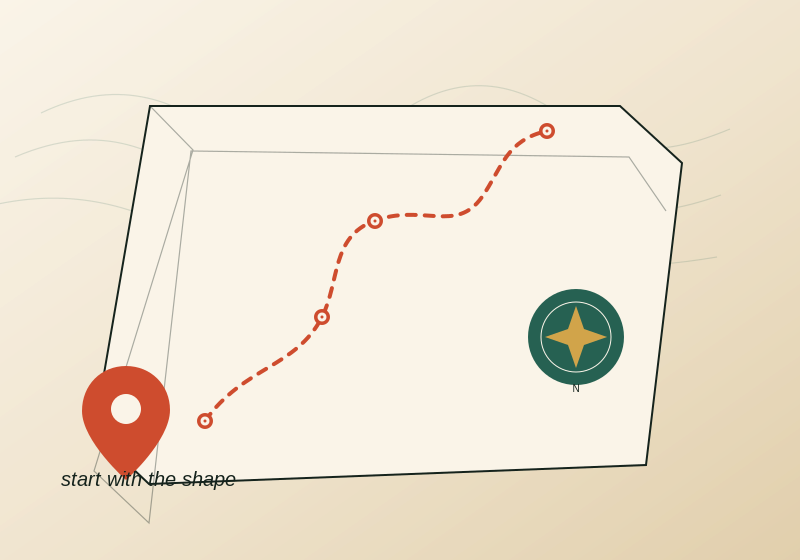
Do not build a schedule from map pins alone. Group stops by district and check the vertical connection between them. A plan that looks compact on a screen can turn into a day of stairs, taxi queues and missed meal times.
Chongqing rewards curiosity, but it rewards a well-shaped route more.
Five phrases for this stop
Photo spots that work
FAQ
How many days do you need in Chongqing?
Three nights covers the central city without rushing. Add one day for Wulong or Dazu, or two nights for a Three Gorges cruise.
Is Chongqing easy for English-speaking visitors?
The metro is bilingual and major sights have English signs. Taxis, small restaurants and ticket counters rely on Chinese, so a translation app and a few phrases make a large difference.
Where should a first-timer stay?
Jiefangbei is the simplest base for a first trip. It puts the main sights, metro interchanges and riverfront within a short ride of each other.
What should I book before arriving?
Book accommodation, any high-speed rail legs and time-sensitive attractions such as the Yangtze cableway. Set up Alipay or WeChat Pay and a data connection before departure.