Chongqing vs Chengdu: Which City Fits Your Trip?
A side-by-side comparison of Chongqing and Chengdu covering atmosphere, food, transport, costs and the best way to combine both.
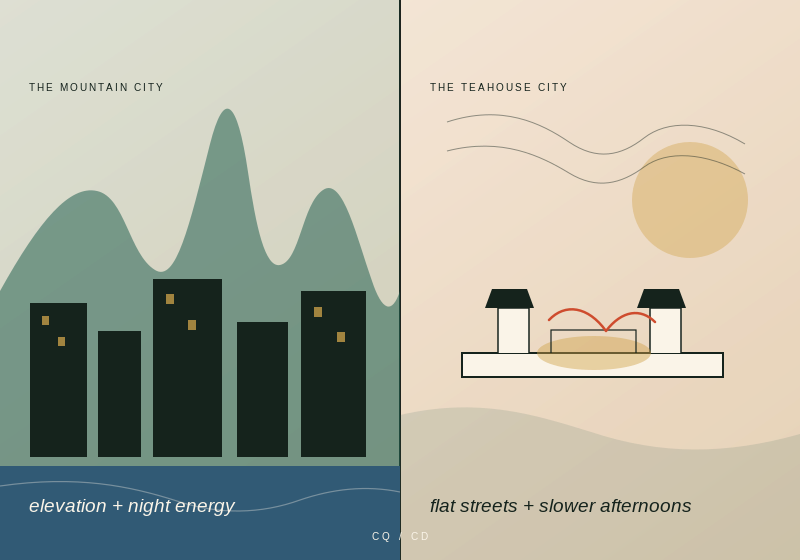
- Chongqing
- Vertical + intense
- Chengdu
- Flat + relaxed
- Rail time
- 1–1.5 hours
- Ideal split
- 3 + 3 nights
On this page
The short answer
Choose Chongqing for drama: vertical streets, river crossings, a monorail through a building and a skyline that looks best after dark. Choose Chengdu for ease: flat streets, teahouses, pandas, a slower food culture and a more relaxed pace.
If you have six nights or more, visit both. The high-speed train makes the pairing one of the easiest two-city trips in China.
The comparison at a glance
| Dimension | Chongqing | Chengdu |
|---|---|---|
| Terrain | Steep, layered, river-cut | Flat and walkable |
| Mood | Fast, dense, cinematic | Slow, social, relaxed |
| Signature sight | Hongyadong and Liziba | Pandas and teahouses |
| Food | Hotpot, xiaomian, strong heat | Hotpot, Sichuan dishes, snacks |
| Transport | Metro plus stairs and taxis | Metro plus wide streets |
| Best for | Visual impact | Food and pace |
| Minimum stay | 2–3 nights | 2–3 nights |
Atmosphere
Chongqing feels like several cities stacked on top of each other. The river is always nearby, but the streets climb away from it. You move through tunnels, escalators, bridges and shopping centers to reach a viewpoint that looked close on the map.
Chengdu feels more horizontal. Its pleasures are smaller and slower: a courtyard teahouse, a long lunch, a park full of people playing cards. The city is easier to wander without a plan.
Food
Both cities sit in the Sichuan culinary world, but the emphasis differs.
Chongqing is built around hotpot and noodles. The hotpot is often beef-tallow based, aggressively spicy and designed for a long table of friends. Xiaomian is a breakfast staple, cheap and fast.
Chengdu has more range. You can eat hotpot, but also mapo tofu, twice-cooked pork, dumplings, rabbit dishes, skewers and refined Sichuan restaurants. The city has a stronger teahouse and snack culture.
If food is the main reason for the trip, Chengdu offers more variety. If you want one intense, memorable meal and a city that stays open late, Chongqing delivers.
Transport and fatigue
Chongqing’s metro is efficient, but the last 300 meters to a sight can involve stairs. Taxis are useful for short, vertical connections. Chengdu’s streets are easier to walk, and the main tourist areas connect more gently.
Travelers with limited mobility will find Chengdu significantly easier. Travelers who enjoy physical cities will find Chongqing more rewarding.
Costs
Hotel and meal prices are similar. Chongqing can be cheaper for river-view rooms outside peak periods. Chengdu has a wider choice of mid-range boutique hotels in walkable neighborhoods.
In both cities, the biggest variable is hotpot. A casual local restaurant can cost half of a polished tourist-facing one.
The route that works
A comfortable six-night plan:
- Chongqing, nights 1–3. Arrive, cover Liziba, Hongyadong, the cableway and Nanbin Road.
- Train to Chengdu, morning of day 4. The trip is about 1–1.5 hours from Chongqing North or West to Chengdu East.
- Chengdu, nights 4–6. Pandas early one morning, a teahouse afternoon, a food-focused evening and a day trip if time allows.
This order starts with the more intense city and ends with the easier one. The reverse works too, but Chongqing can feel like a shock after Chengdu’s slow pace.
Which one should you choose?
Choose Chongqing if:
- You have two or three nights and want the strongest visual memories.
- You like night photography and river views.
- You want a city that feels unlike Beijing, Shanghai or Chengdu.
- You are comfortable with hills and metro exits.
Choose Chengdu if:
- You want a relaxed food trip.
- You are traveling with family or someone who needs flat walking.
- You want pandas, teahouses and a slower introduction to Sichuan.
- You have more time and want day trips to Leshan or Mount Qingcheng.
The verdict
This is not a contest with one winner. Chongqing is the more dramatic city. Chengdu is the easier city. Together they show two sides of the same region, and the train between them is short enough that you do not have to choose.
Five phrases for this stop
Photo spots that work
FAQ
Should I visit Chongqing or Chengdu first?
Start in Chongqing if you want the stronger visual contrast, then slow down in Chengdu. Start in Chengdu if you want an easier introduction to the region.
Can I do both in one trip?
Yes. Three nights in each is a comfortable pace, with a high-speed train between the cities.
Which city is cheaper?
Both are good value. Chongqing hotels can be slightly cheaper outside holidays, while Chengdu has more mid-range options in walkable neighborhoods.